
A Little Architecture for the Birds
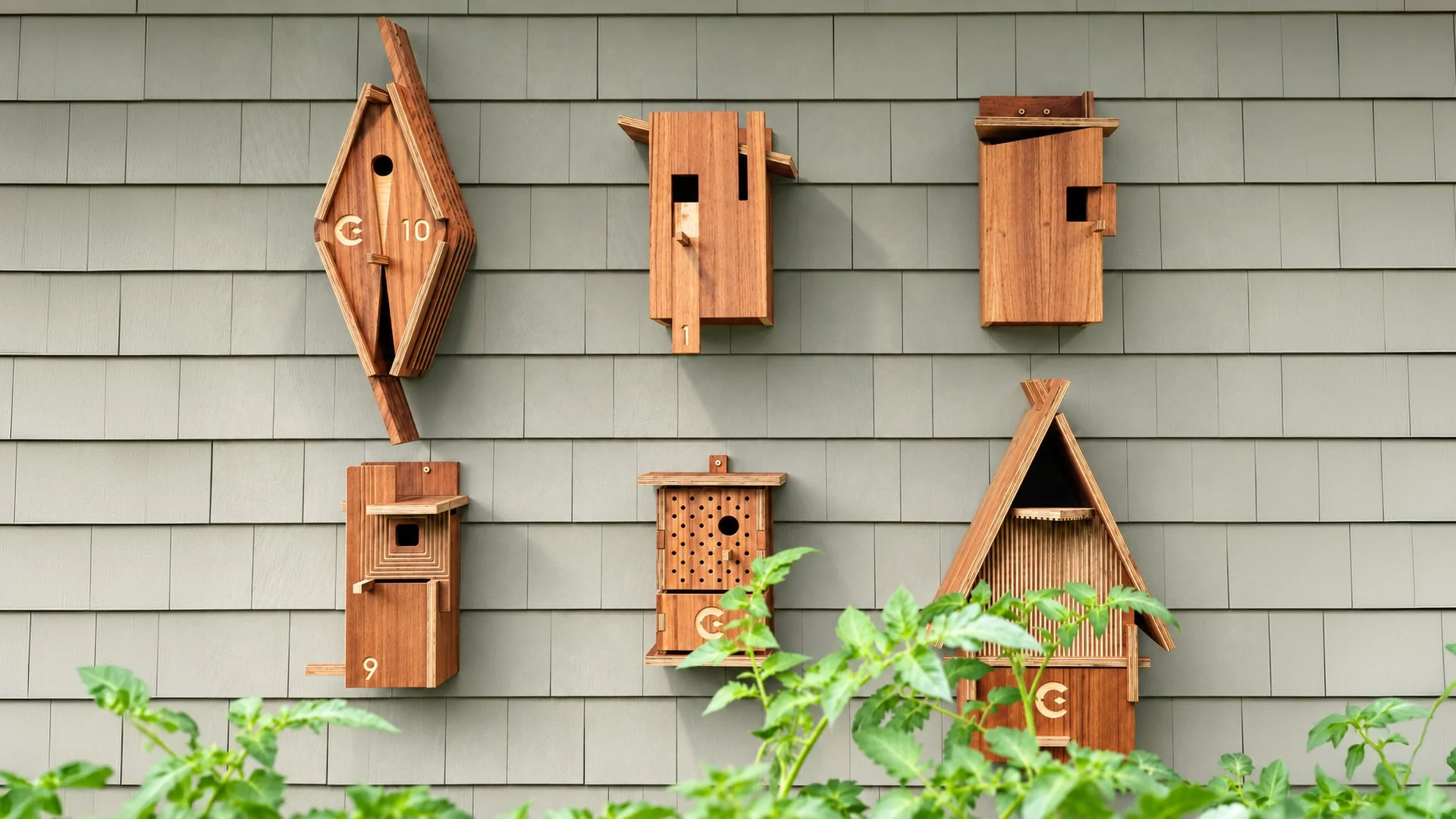
What happens when you apply architectural thinking to something as ordinary as a birdhouse?
Most people probably don't spend much time thinking about the architecture of a birdhouse. It's a small wooden box with a hole in it. Hang it on a tree, and you're done. Fair enough.
But look a little closer, and the humble birdhouse becomes a surprisingly interesting design problem. It needs to provide shelter, protection from the elements, and a suitable place to raise a family. It has to respond to its surroundings. Its dimensions matter. So do its materials, orientation, and construction.
Sound familiar? In many ways, designing a birdhouse isn't entirely different from designing a building for people. The scale is considerably smaller, of course. And the occupants are unlikely to complain about the kitchen layout.
Form Follows Function. Even for Birds.
Architect Louis Sullivan famously observed that form follows function. It's a principle that has influenced generations of architects and designers. And it's particularly relevant when designing for wildlife. A birdhouse can be visually appealing, but if it doesn't meet the needs of the birds it's intended for, it's little more than garden decoration. The size of the entrance, the interior dimensions, ventilation, drainage, and protection from predators all play important roles.
Different species have different requirements. A house designed for a chickadee won't necessarily be suitable for a bluebird or a woodpecker. There are also practical considerations that aren't immediately obvious. The materials, construction methods, and exposure to the elements all influence how well a birdhouse performs. A design that looks beautiful in a garden still needs to provide a suitable environment for its intended occupants.
The challenge is finding a balance between good design and good function.
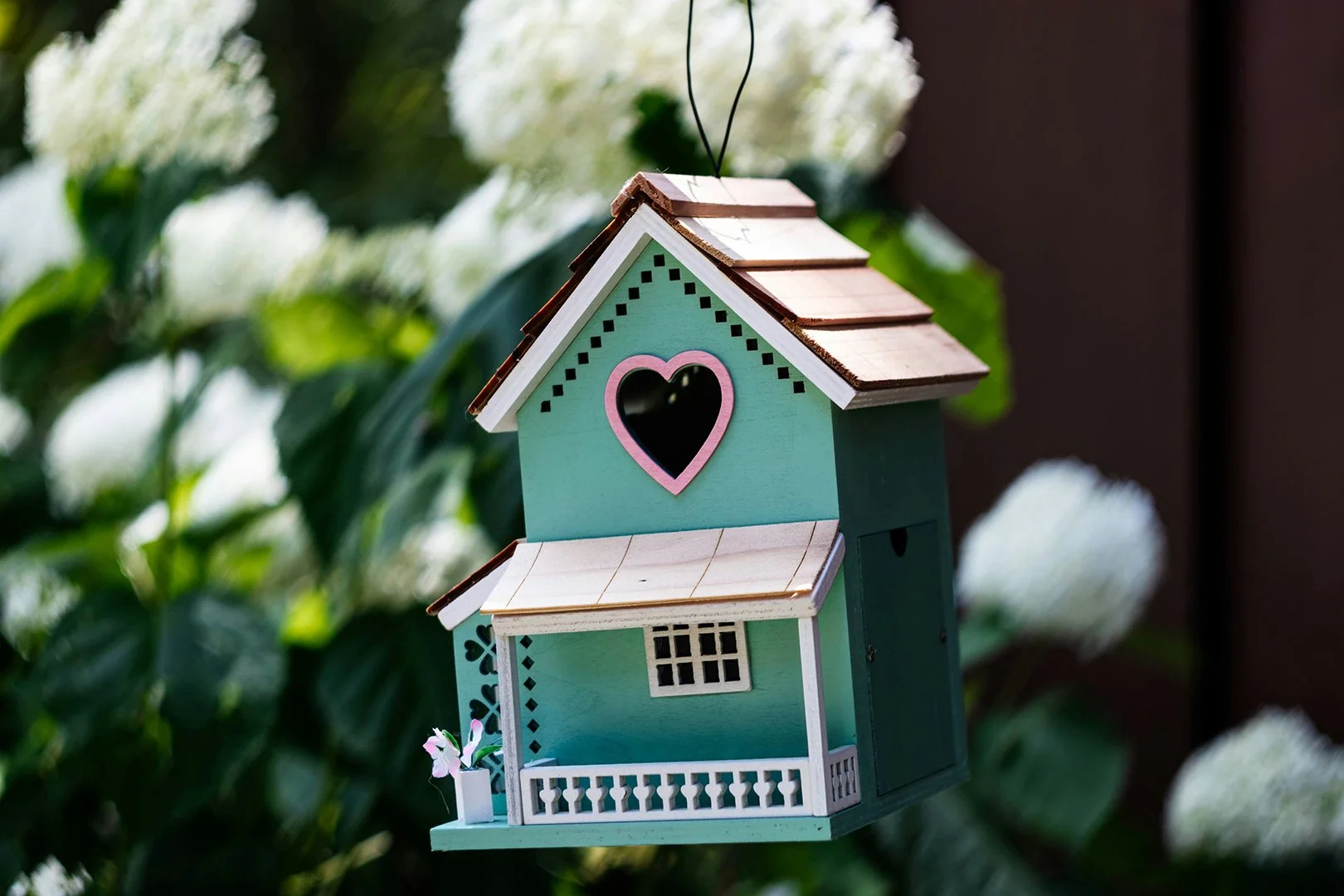
Does a Birdhouse Have to Look Like a House?
Here's a question I've always found interesting: why do so many birdhouses look like miniature versions of our own homes? Pitched roofs. Little doors. Tiny windows. Sometimes even a front porch. It's charming, certainly. But birds aren't particularly interested in architectural nostalgia. They don't need a Cape Cod cottage or a miniature Victorian mansion. They need a safe, appropriately sized nesting cavity.
That opens up some interesting possibilities.
If a birdhouse doesn't need to resemble a conventional house, why not explore other architectural forms? Why not take inspiration from modernism, sculpture, or the simple geometry of a well-designed building? As long as the functional requirements are respected, there's considerable room for creativity.
And that's where things become interesting.
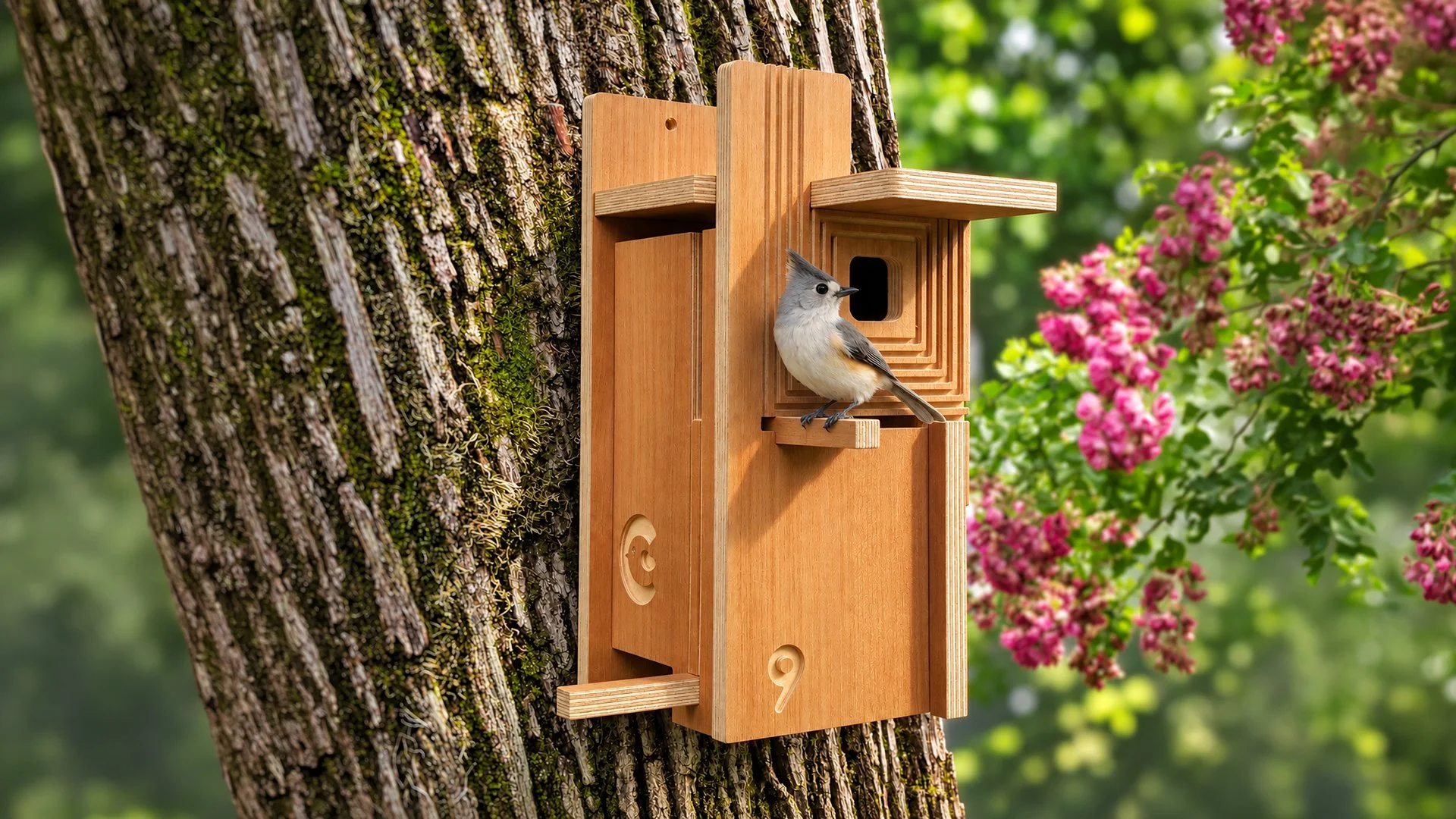
When Architecture Meets Nature
When we set off to start Chirp, we approached the birdhouse as a small architectural project. We were interested in exploring what could happen when the principles of contemporary architecture were applied to something traditionally considered a garden accessory.
Could a birdhouse be both functional and sculptural? Could it complement the architecture of a modern home while still providing a suitable nesting space?
We thought it could.
The result was a collection of birdhouses inspired by architectural ideas, materials, and forms that we found interesting.
Over time, that same curiosity led us to explore bird feeders inspired by the work of artists such as Mondrian, Calder, and LeWitt. Of course, birds couldn't care less whether their feeder was inspired by a famous artist. And that's part of what makes the exercise enjoyable.
The design is for us. The function is for them.
Ideally, both benefit.
The Bigger Picture
There's another aspect to all of this that I think is worth considering.
We spend an enormous amount of time designing the environments in which we live. Our homes, gardens, streets, and public spaces are all shaped by human decisions. But we're not the only ones occupying those spaces.
Birds, insects, and other wildlife are constantly adapting to the environments we create. Sometimes successfully, sometimes not.
A birdhouse is a very small architectural intervention. It won't replace a mature tree or restore a lost forest. And it certainly isn't a solution to the larger challenges facing bird populations. But it can provide nesting opportunities for certain species, where appropriate. And perhaps just as importantly, it can remind us that the spaces we design don't exist in isolation from the natural world.
Good architecture, at any scale, should consider its surroundings.
Even when the client has feathers.
Further Reading
For anyone interested in learning more about declining bird populations and what can be done to help, these are excellent resources:
National Wildlife Federation — Nesting Boxes
U.S. Fish & Wildlife Service — Backyard Birds