
The Trouble with a Perfect Lawn
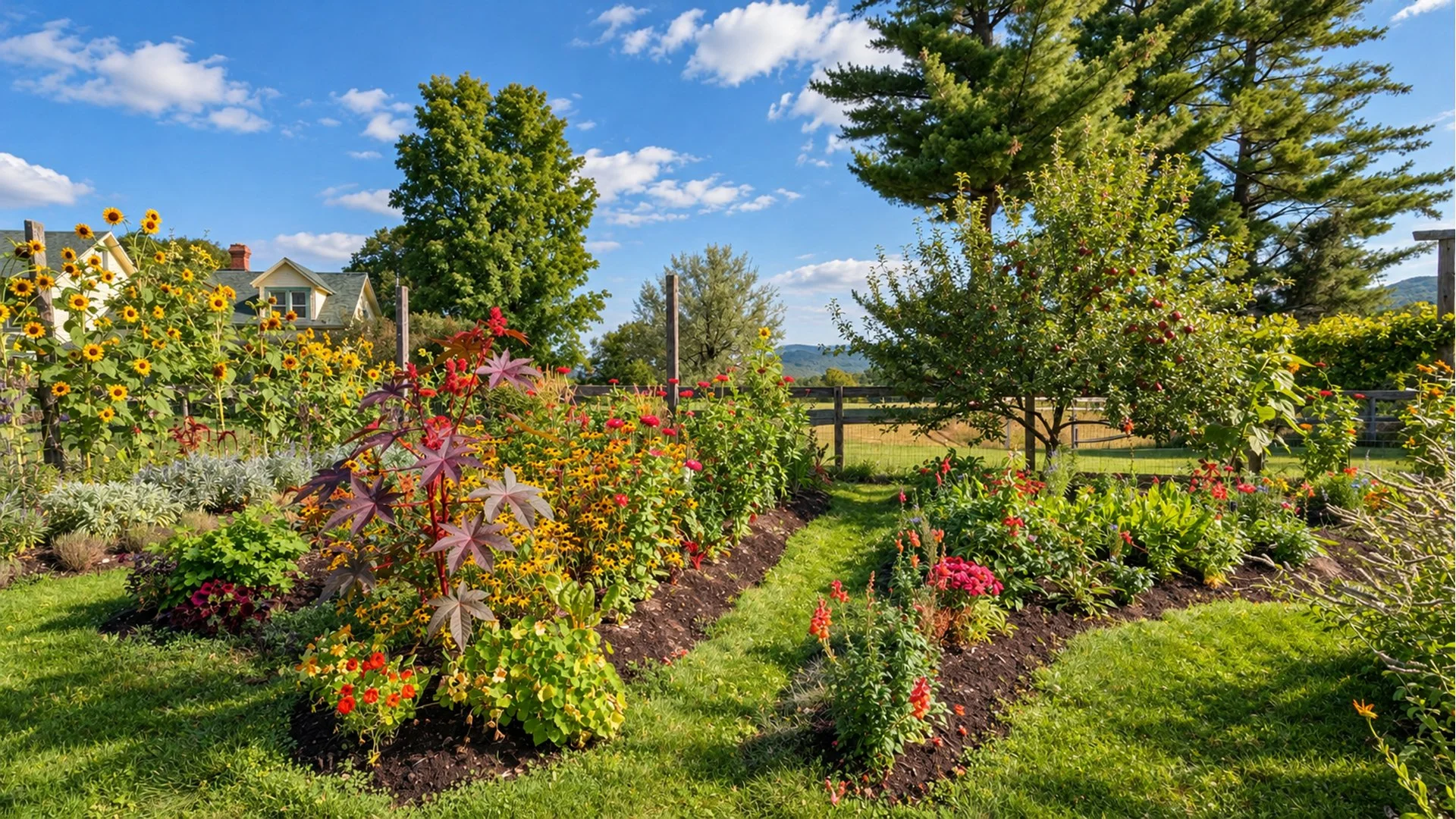
Our obsession with tidy yards may be making life harder for birds. Perhaps it's time to rethink what a beautiful garden looks like.
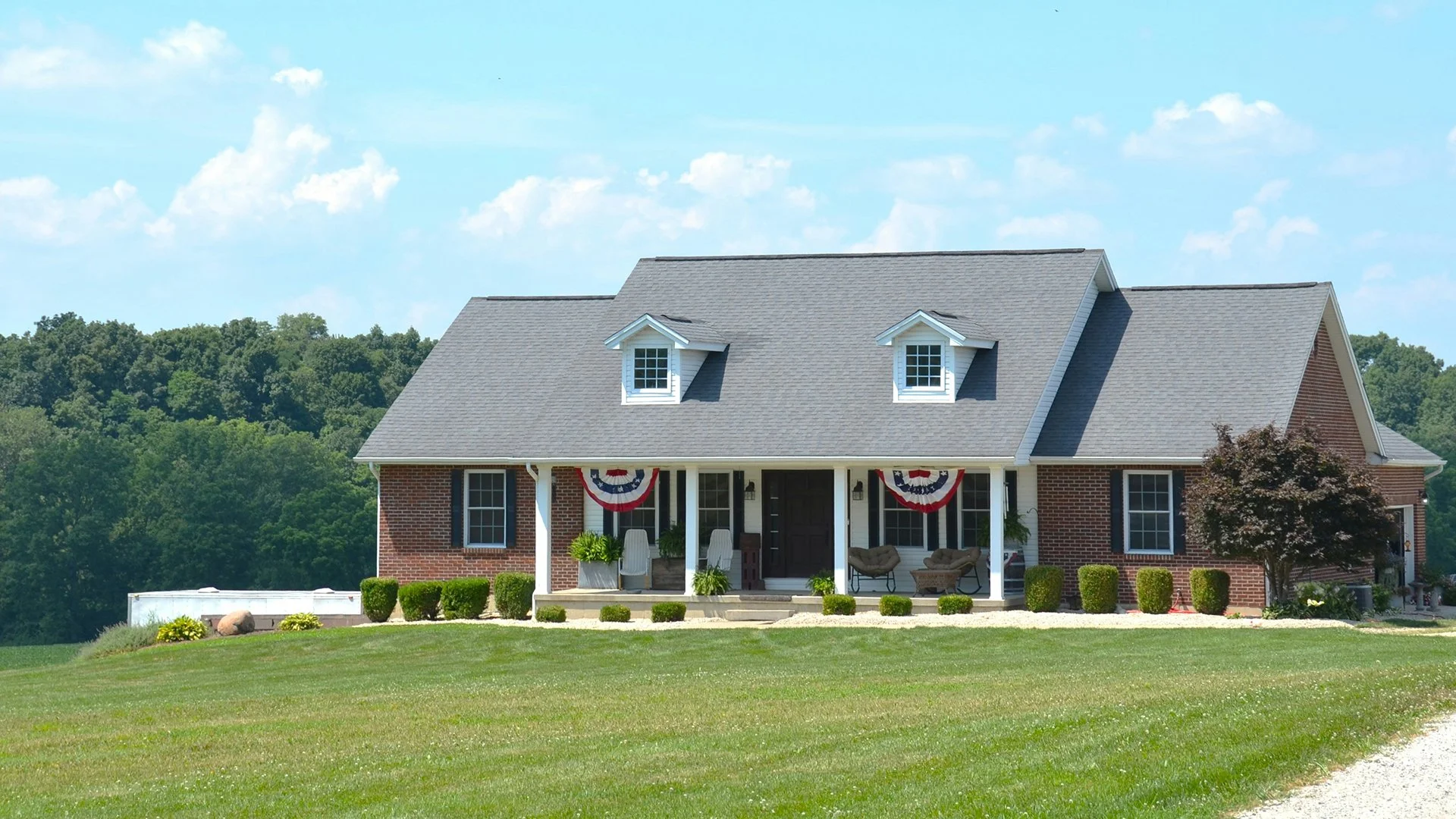
There's something oddly satisfying about a freshly mowed lawn. The clean edges. The uniform green. Not a weed in sight. For generations, it's been something of an American ideal—the picture of a well-kept home. But here's a question worth considering: who exactly are we keeping it for?
Certainly not the birds. Or the bees, butterflies, and countless other creatures that once found food and shelter in the landscapes we've so carefully tidied up.
As it turns out, our idea of a beautiful yard and nature's idea of a healthy one aren't always the same.
A Little Too Perfect
The American lawn has an interesting history. What began as a landscape feature associated with European estates eventually became a fixture of suburban life. Today, millions of acres across the United States are devoted to turfgrass. There's nothing inherently wrong with having a lawn. It's useful for recreation, provides open space, and can be a pleasant part of a garden. The trouble begins when it becomes practically the entire garden.
A closely mowed expanse of grass, particularly one treated regularly with pesticides and herbicides, offers relatively little food or shelter for wildlife compared with a landscape containing native trees, shrubs, flowers, and varied vegetation. And that matters to birds more than we might realize.
It’s Not Just About the Birds
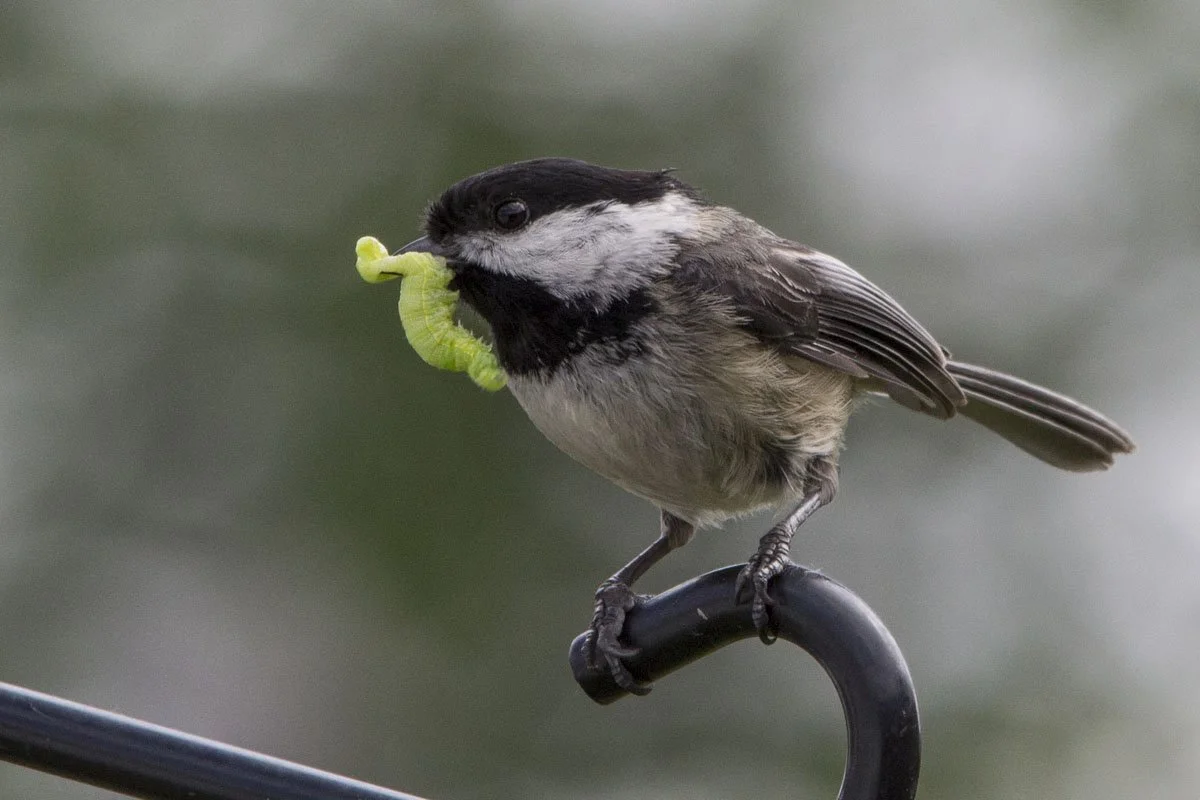
Consider the chickadee. It's a familiar visitor to many North American backyards, and one that seems perfectly content hopping between branches and investigating bird feeders. But when chickadees are raising their young, seeds alone won't do. Their nestlings depend heavily on insects, particularly caterpillars. A single family may need thousands of them over the course of the nesting period.
Where do those insects come from? Largely from the plants around us. And not all plants are equally useful.
Research has shown that native plants generally support more of the insect species that local birds rely upon than many introduced ornamental plants. Certain native trees, including oaks, are especially valuable because they support an extraordinary diversity of caterpillars and other insects. It's a relationship that's easy to overlook. We see a tree. A bird sees a potential food supply.
Rethinking the Garden
Here's where things get interesting from a design perspective. Creating a bird-friendly landscape doesn't mean abandoning good design or allowing the backyard to become an overgrown mess. Quite the opposite.
A thoughtfully designed garden can accommodate both people and wildlife. It might include a smaller area of lawn surrounded by native planting beds, a few carefully placed shrubs, flowering perennials, and trees that provide seasonal interest as well as habitat. The composition can be just as deliberate as a conventional landscape, perhaps even more interesting.
Think of the contrast between the ordered geometry of a mowed path and the looser, changing textures of a meadow. Or the way a group of native grasses catches the late-afternoon light. There's an architectural quality to these landscapes. Structure and spontaneity working together. And unlike a lawn that looks essentially the same from one month to the next, a garden designed around native plants changes with the seasons. Flowers appear, seeds develop, leaves turn, and birds come and go. It's a landscape that's constantly doing something.
Start with One Corner
One small planting bed can be a good start. Replace a patch of lawn with native flowers. Introduce a shrub that produces berries for birds. Leave some fallen leaves beneath trees and planting beds, where insects can overwinter. Allow seed heads to remain standing through winter. And perhaps reconsider the idea that every fallen leaf, spent flower, or untidy corner needs to be immediately cleaned up. What looks a little messy to us may be providing shelter or food for something else.
The key is to choose plants appropriate for your region and site conditions, rather than simply buying whatever happens to be flowering at the garden center. A little research can go a long way.
A Different Kind of Beautiful
I've always found it interesting how much effort we put into controlling the landscapes around our homes. We trim, mow, edge, prune, and remove almost anything that doesn't fit the picture we have in mind. But perhaps there's something to be said for giving nature a little more room to do what it does. A garden filled with birds, butterflies, and changing seasonal textures may not look quite as immaculate as a perfectly maintained lawn.
Then again, it might be considerably more interesting. And if a few more birds decide to visit along the way, all the better.
Further Reading and Resources
For anyone interested in learning more about declining bird populations and what can be done to help, these are excellent resources:
National Wildlife Federation — Garden for Wildlife