
Do Birds Actually Use Birdhouses?
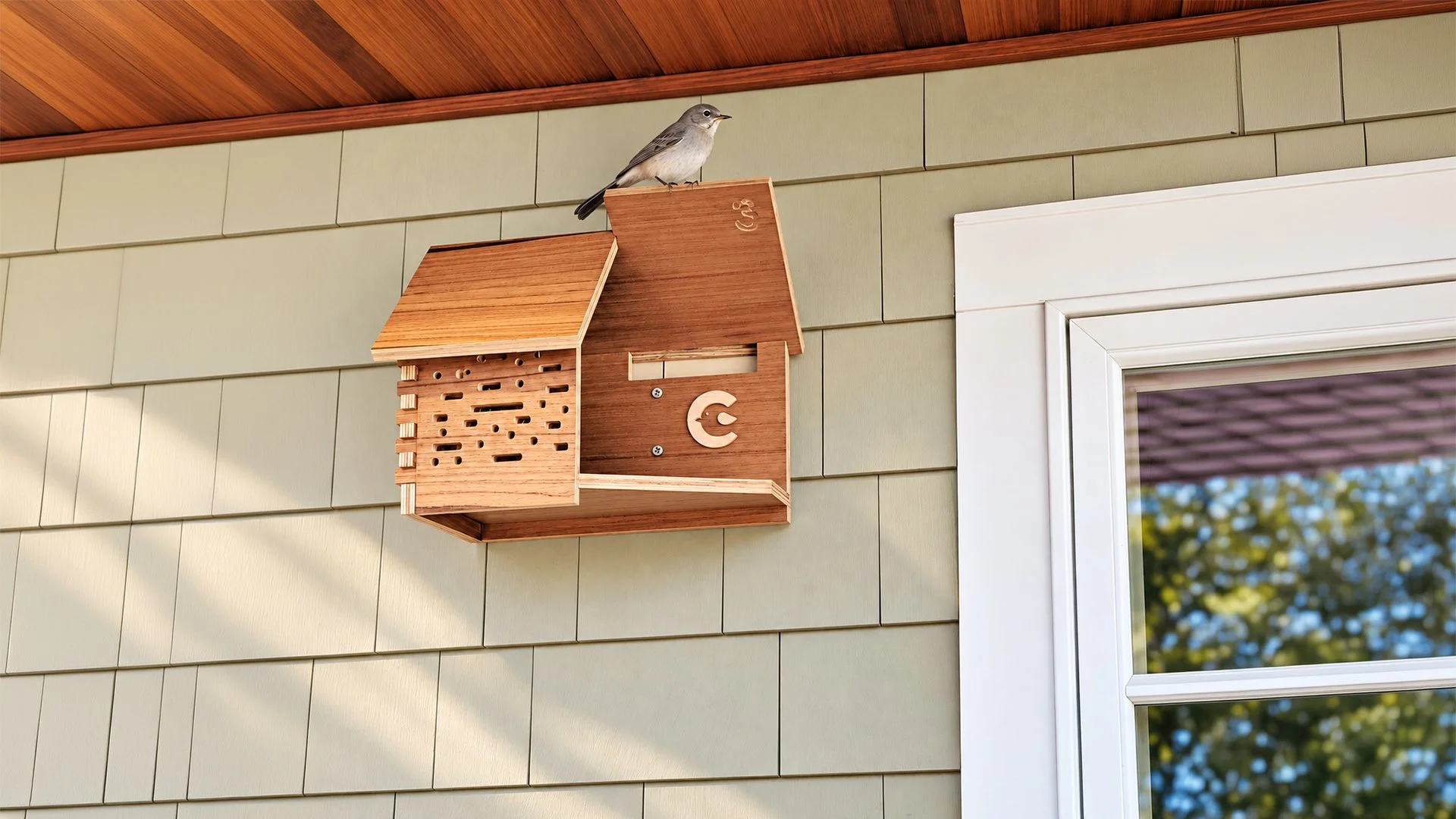
The short answer is yes. But as it turns out, birds can be rather particular about their real estate.
It's a reasonable question. You buy a birdhouse, find what seems like the perfect spot in your backyard, hang it up, and wait for the new tenants to arrive.
And wait.
Sometimes, nothing happens.
Does that mean birds don't actually use birdhouses? Not at all. But there's a little more to it than simply putting a small wooden house in a tree and hoping for the best.
As an architect, I find this particularly interesting. We spend considerable time designing buildings around the needs of the people who occupy them. With birds, the principle isn't all that different. Except, of course, the clients are considerably smaller and aren't particularly interested in our architectural opinions.
Not Every Bird Is Looking for a House
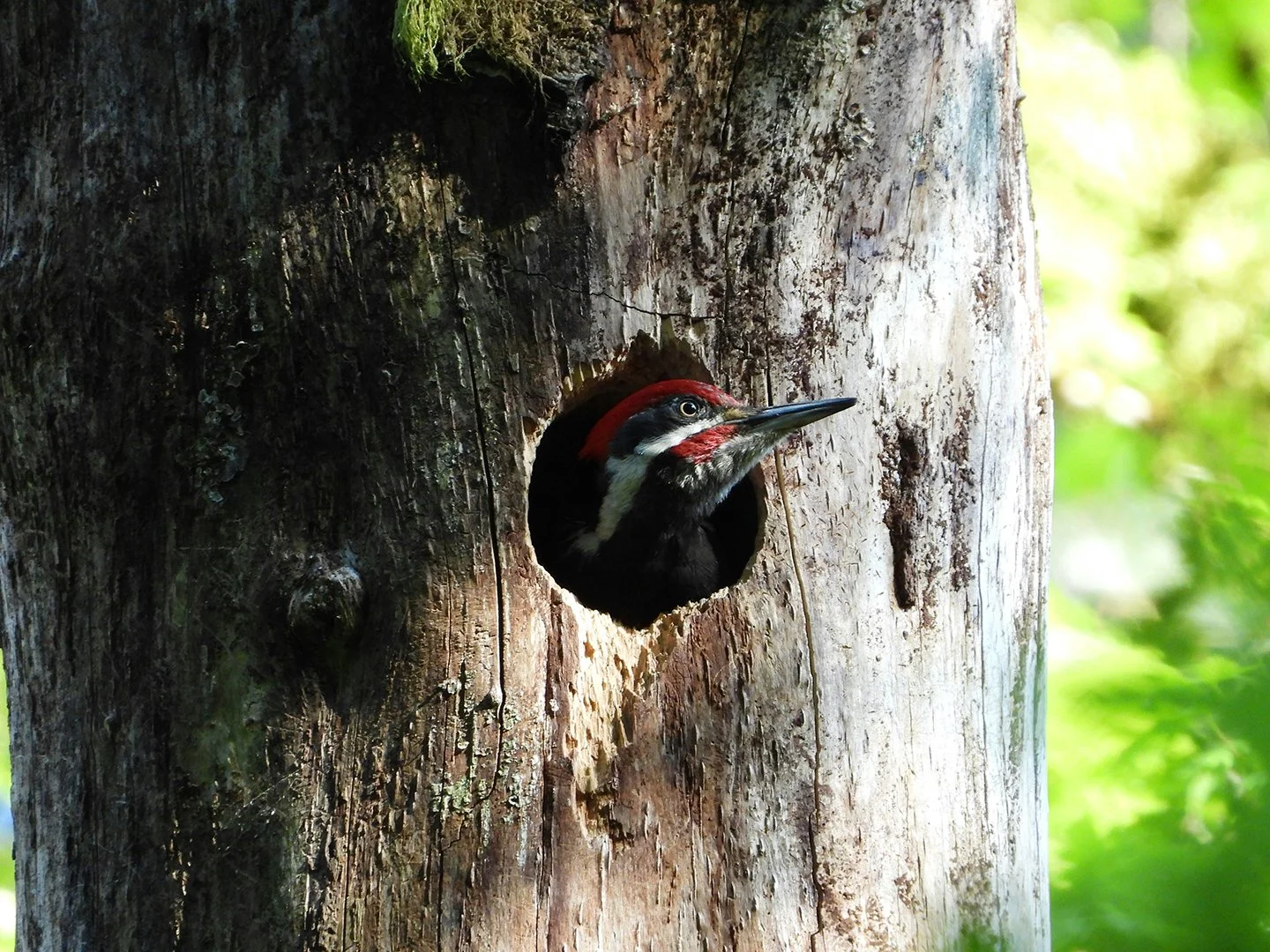
Here's something that surprises many people: most birds won't use a traditional birdhouse.
Robins, cardinals, and hummingbirds, for example, typically build open nests in trees, shrubs, or other sheltered locations. They're not looking for an enclosed wooden box.
Birdhouses are primarily intended for what's known as cavity-nesting birds—species that naturally nest inside hollow trees, abandoned woodpecker holes, or similar enclosed spaces.
These include familiar birds such as chickadees, wrens, bluebirds, tree swallows, and certain species of woodpeckers.
Some birds excavate their own cavities, while others rely on existing ones. For the latter, a properly designed birdhouse can provide an alternative nesting location, particularly where suitable natural cavities are scarce.
So, the first question shouldn't necessarily be where to hang your birdhouse.
It should be: which birds are you hoping will move in?
Location, Location, Location
Apparently, birds have strong opinions about location, too.
A bluebird generally prefers open areas with short grass and scattered trees or perches. A chickadee is more comfortable near woodland edges and areas with some natural cover. Wrens have their own preferences.
A beautifully constructed birdhouse placed in the wrong environment may remain empty, regardless of how inviting it looks to us.
Height, orientation, exposure to wind and rain, and proximity to predators can all influence whether a bird chooses a particular nesting site.
And sometimes, patience is simply part of the process. A birdhouse might go unused during its first season and attract occupants the following year.
In other words, an empty birdhouse isn't necessarily a failed birdhouse.
Good Design Isn't Just About Looks
This is where things get especially interesting from a design perspective.
We tend to judge birdhouses by their appearance. Birds, understandably, have a different set of priorities.
The size of the entrance hole matters. Too large, and it may allow unwanted visitors or predators access. Too small, and the intended occupants can't get inside.
The interior dimensions matter as well. Different species need different amounts of space for nesting and raising their young.
Then there are the less glamorous but equally important details: ventilation, drainage, protection from rain, adequate wall thickness, and the ability to clean the house between nesting seasons.
Even something as seemingly harmless as a decorative perch below the entrance can create problems. Most cavity-nesting birds don't need one, and it can make access easier for predators.
It's a useful reminder that good design isn't simply about how something looks. It's about how well it works.
A Birdhouse Is Only Part of the Picture
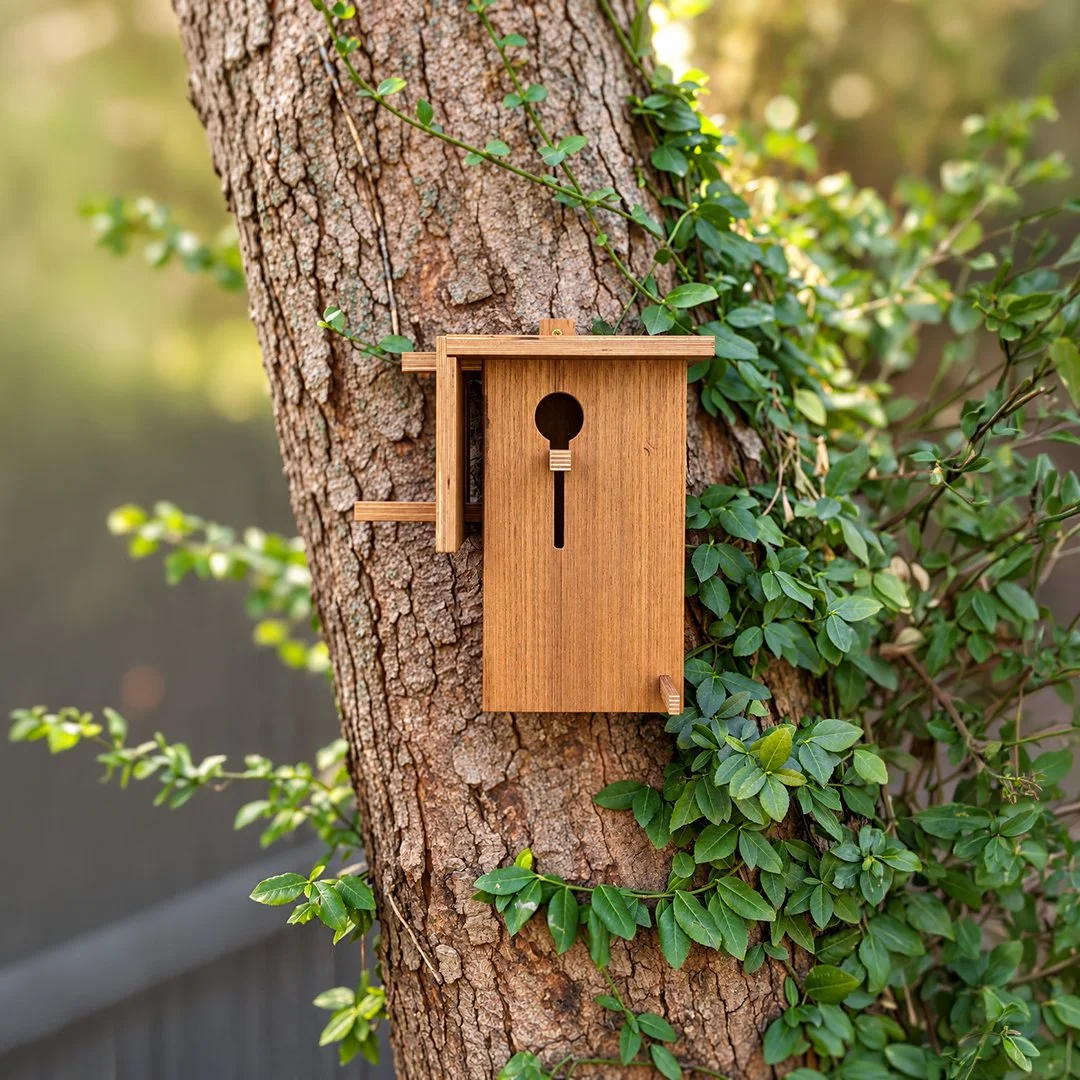
Of course, even the most thoughtfully designed birdhouse can't compensate for an unsuitable environment.
Birds still need food, water, shelter, and suitable habitat around them.
A backyard filled with native plants, mature trees, and healthy insect populations is generally more inviting than one consisting entirely of closely cut grass and ornamental landscaping.
This is particularly important during nesting season, when many birds rely heavily on insects to feed their young.
It's also worth remembering that a birdhouse isn't necessarily a year-round residence. Most are used primarily for nesting and raising young, although some birds may shelter in cavities during colder weather.
And once a birdhouse is occupied, it's important to observe responsibly. Repeated disturbance can do more harm than good.
A Little Architecture for the Birds
When my daughter and I began designing birdhouses for Chirp, we were interested in exploring the relationship between architecture, craftsmanship, and nature.
The challenge was to create something that was visually interesting without losing sight of its purpose.
It's a balance we continue to think about as we develop new designs.
After all, a birdhouse can be a beautiful object, but if it's intended to provide nesting habitat, it also needs to accommodate the birds that might use it.
And that means considering everything from entrance dimensions and interior space to materials, weather protection, maintenance, and placement.
It's also important to recognize that no single birdhouse design is ideal for every species or every location.
Which brings us back to the original question.
Do birds actually use birdhouses? Absolutely.
But much like the rest of us, they tend to be selective about where they live.
And sometimes, the best thing we can do is provide a suitable place and let them make the decision.
Further Reading
For anyone interested in learning more about declining bird populations and what can be done to help, these are excellent resources:
Cornell Lab of Ornithology / NestWatch — Decline of the North American Avifauna, published in Science (2019).
Cornell Lab of Ornithology / NestWatch — 2025 State of the Birds Report.
Cornell Lab of Ornithology — Seven Simple Actions to Help Birds.