
Where Have All the Birds Gone?
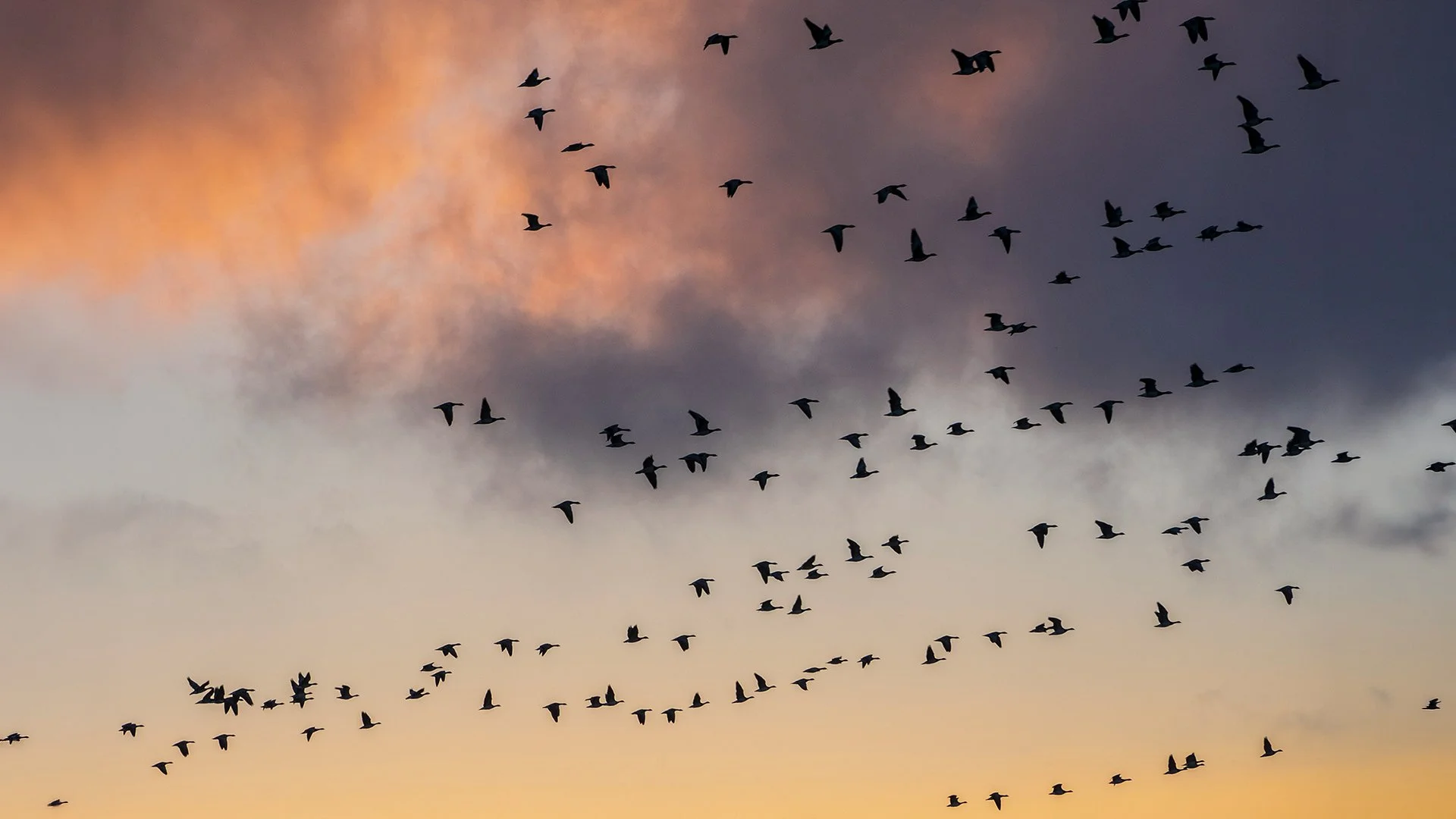
North America has lost nearly three billion birds in just 50 years. What happened, and what can we do about it?
Birds are one of those things we tend to take for granted.
They're everywhere. In our backyards, perched on telephone wires, hopping across lawns, or making a racket outside our windows early in the morning. We notice them occasionally, perhaps when a cardinal appears against a snowy backdrop or a woodpecker starts hammering away at a nearby tree.
But for the most part, they're simply part of the scenery.
Which makes the following statistic rather astonishing.
Since 1970, North America has lost nearly three billion birds.
That's billion, with a B.
According to a landmark 2019 study published in the journal Science, the continent's breeding bird population declined by approximately 29% over that period. In other words, nearly one out of every three birds has disappeared in less than a human lifetime.
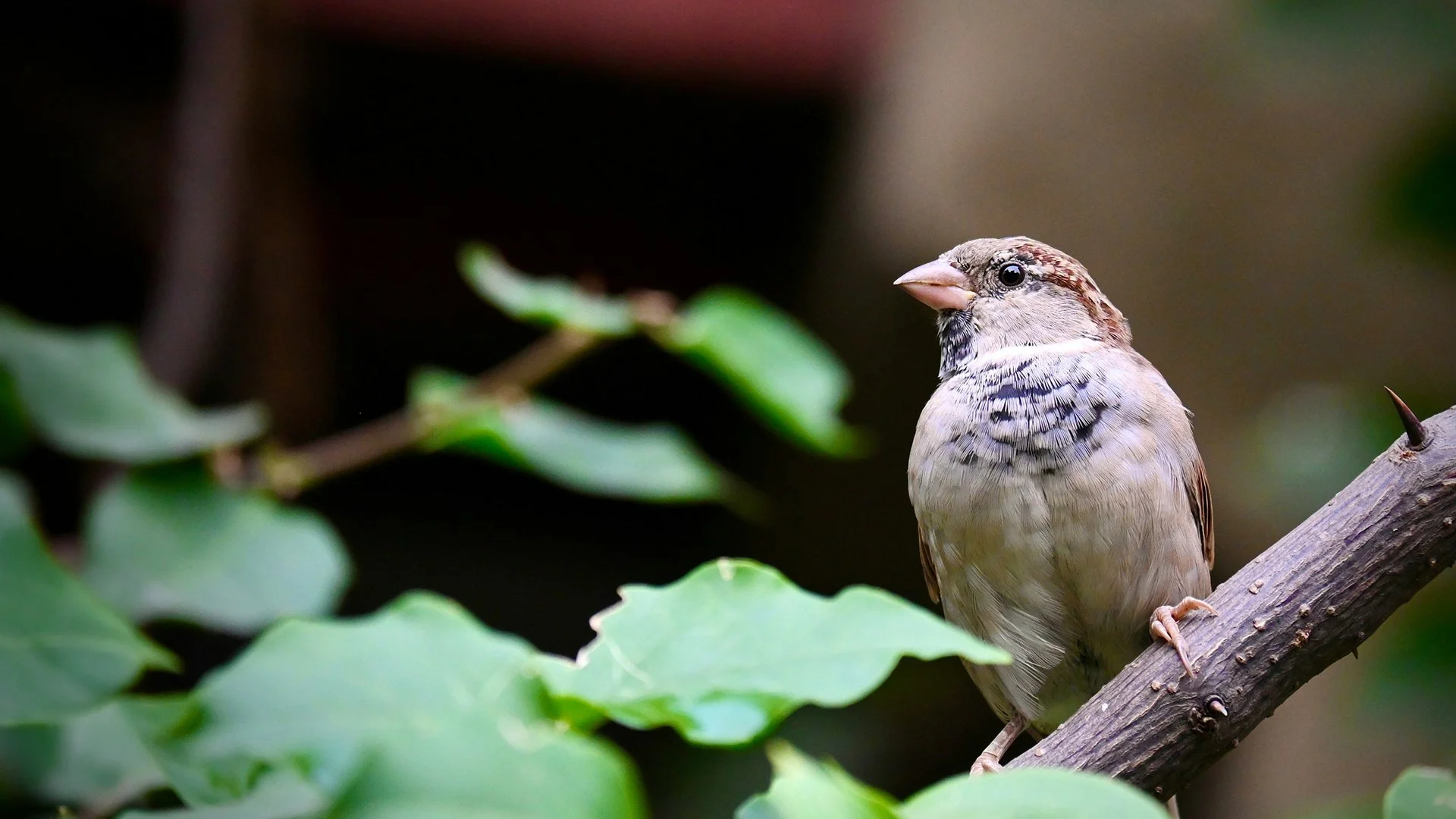
And we're not just talking about rare or endangered species. Some of the steepest losses have occurred among birds we consider quite ordinary, including sparrows, blackbirds, and other familiar species.
It's a staggering number, particularly when you consider how little attention it seems to receive.
So, What's Happening?
As it turns out, quite a few things.
Habitat loss is one of the biggest problems. As forests are cleared, grasslands are converted, and natural landscapes give way to roads, buildings, and manicured lawns, birds lose the places they depend on for food, shelter, and nesting.
But development is only part of the story.
Millions of birds die each year from collisions with glass buildings and windows. Pesticides reduce the insects that many species rely on, particularly when feeding their young. Free-roaming domestic cats are another major threat. And climate change is altering migration patterns, breeding seasons, and the availability of food.
For a bird migrating thousands of miles each year, the challenges can be especially daunting. A habitat lost at either end of its journey, or somewhere in between, can have serious consequences.
What's perhaps most concerning is that these pressures aren't limited to a handful of vulnerable species. They're affecting birds across a wide range of habitats.
And the trend hasn't simply gone away. The 2025 State of the Birds report identified 229 species in the United States that warrant urgent conservation attention.
Why Should We Care?
Aside from the obvious pleasure of having birds around, they do quite a bit of work for us.
They help control insect populations, disperse seeds, pollinate plants, and contribute to the health of forests and other ecosystems.
They're also useful indicators of environmental health. When bird populations decline across entire regions, it's often a sign that something in the broader ecosystem isn't functioning as it should.
In that sense, the disappearance of birds isn't just a problem for birds.
It's a warning worth paying attention to.
Can We Actually Do Something About It?
Fortunately, yes.
And while the scale of the problem can seem overwhelming, not every solution requires a massive conservation initiative.
Consider the average suburban backyard. We've become accustomed to neatly trimmed lawns, ornamental shrubs, and landscapes that look tidy but often provide surprisingly little for wildlife.
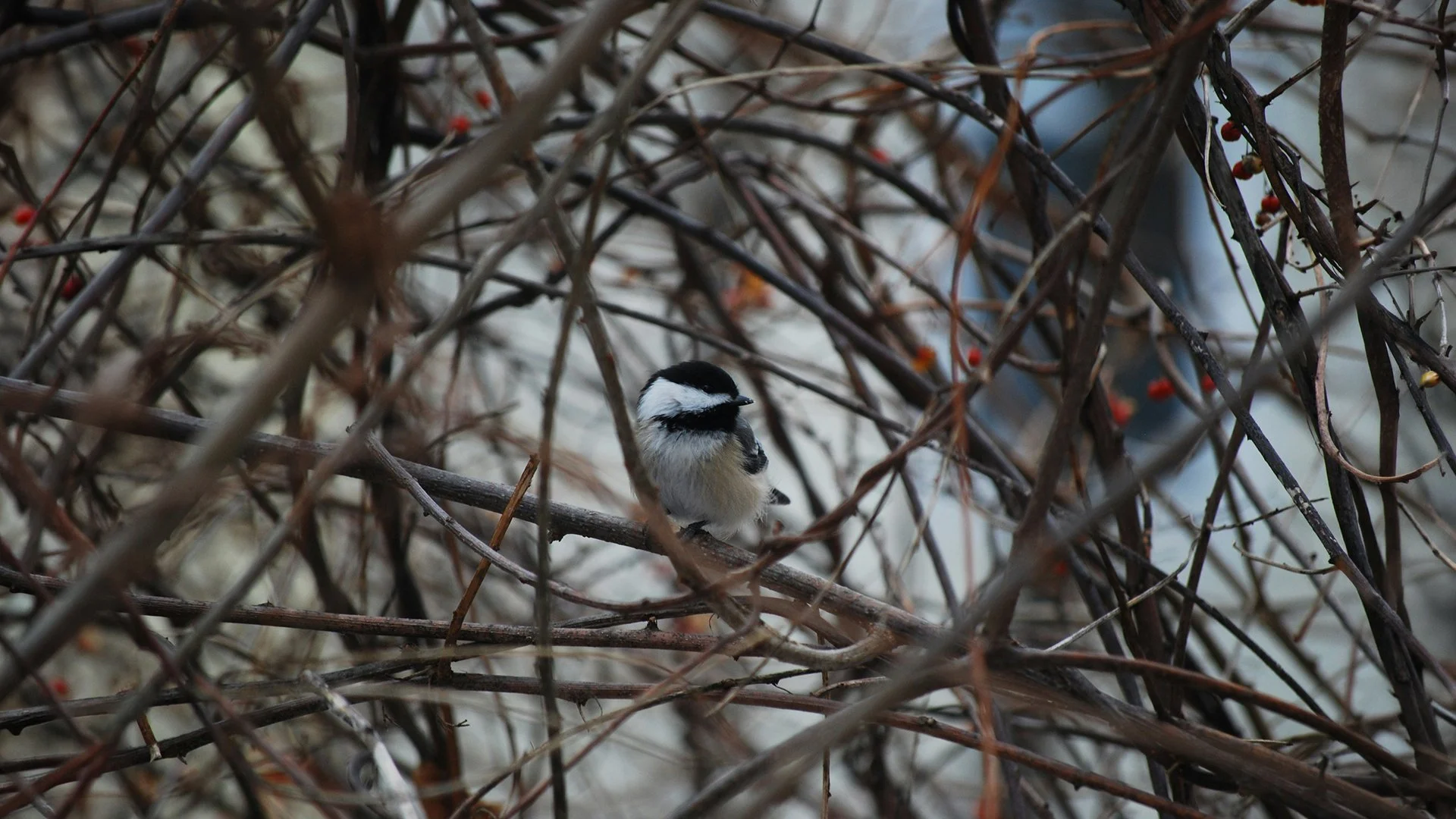
Replacing even a portion of that lawn with native plants can make a difference. Native trees, shrubs, and flowers support insects, provide seeds and berries, and offer shelter and nesting habitat.
There are other relatively simple steps, too:
Make large windows and reflective glass safer for birds.
Reduce or eliminate pesticide use.
Keep domestic cats indoors or in secure outdoor enclosures.
Provide clean water and maintain bird feeders responsibly.
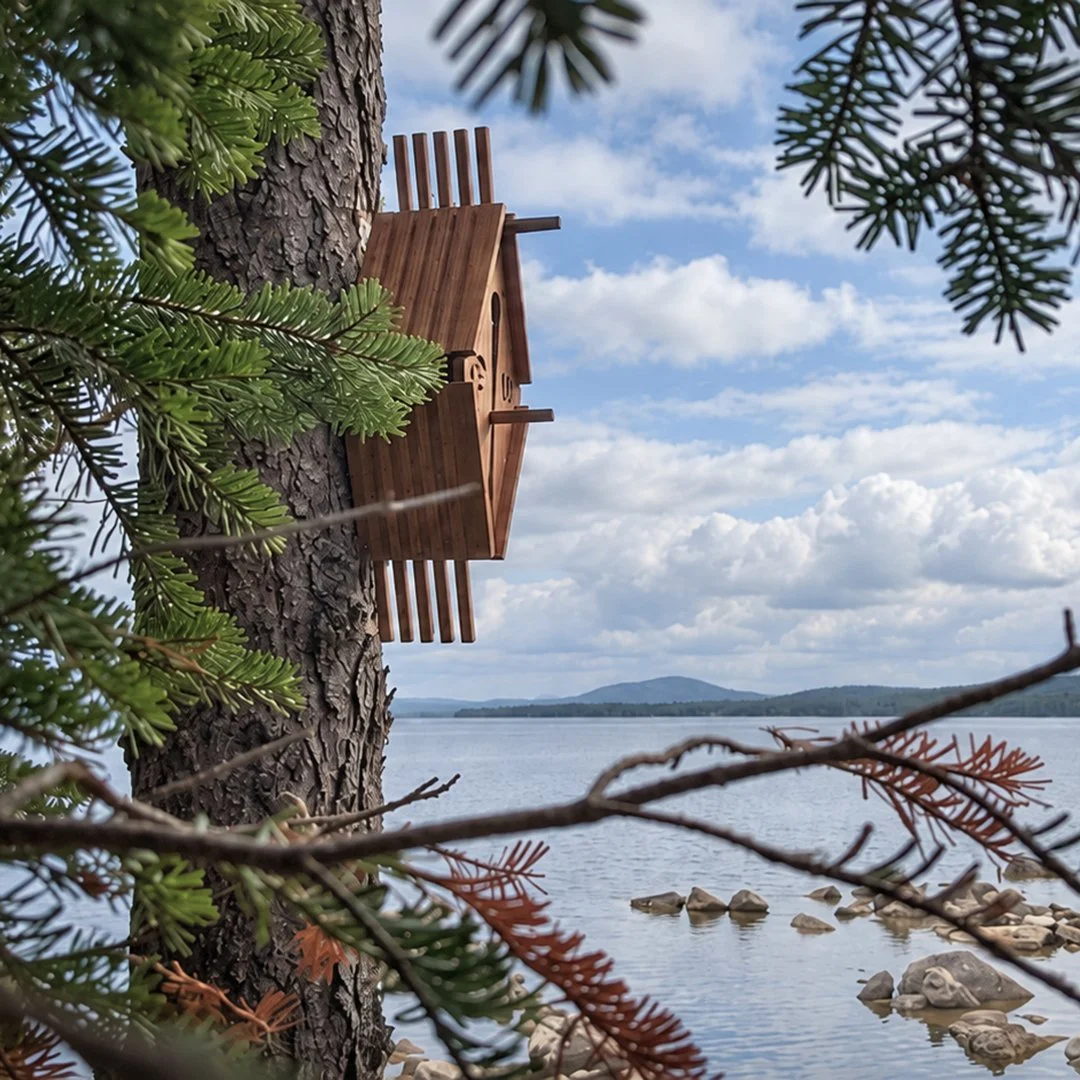
Install appropriate nesting boxes for local cavity-nesting species.
None of these measures will reverse the decline on their own. But collectively, they can make our neighborhoods considerably more hospitable to birds.
And there is good reason for optimism. Conservation efforts have helped numerous bird populations recover when habitats are protected and threats are addressed.
The important thing is recognizing that our everyday decisions, including how we design and maintain the spaces around us, have consequences beyond our own property lines.
A Little Architecture for the Birds
As an architect, I've spent much of my professional life thinking about buildings, how they're designed, how they relate to their surroundings, and how people experience them.
When my daughter and I started Chirp, the idea was fairly simple: combine our interest in architecture and design with something we both enjoyed—birds.
What began as a creative father-daughter project making architecturally inspired birdhouses gradually became an opportunity to think a little more seriously about the relationship between the things we build and the natural world around us.
A birdhouse, of course, isn't going to solve the problem of declining bird populations. Neither is a bird feeder.
But they can serve a purpose beyond their immediate function. They bring birds a little closer to our everyday lives. They encourage us to observe them, learn about them, and perhaps become more aware of the challenges they face.
We've also made a commitment to plant a tree for every Chirp product sold. It's a modest contribution in the context of a much larger environmental challenge, but one we believe is worth making.
Ultimately, I think there's something interesting about the idea that design can help reconnect us with nature, even in small ways.
And perhaps that's a reasonable place to start.
After all, it's difficult to care about something you rarely stop to notice.
Further Reading
For anyone interested in learning more about declining bird populations and what can be done to help, these are excellent resources:
Cornell Lab of Ornithology — Decline of the North American Avifauna, published in Science (2019).
North American Bird Conservation Initiative — 2025 State of the Birds Report.
Cornell Lab of Ornithology — Seven Simple Actions to Help Birds.